


Date:
14 October 2026, 19:00 Wednesday
Place:Madrid, Cineteca Madrid
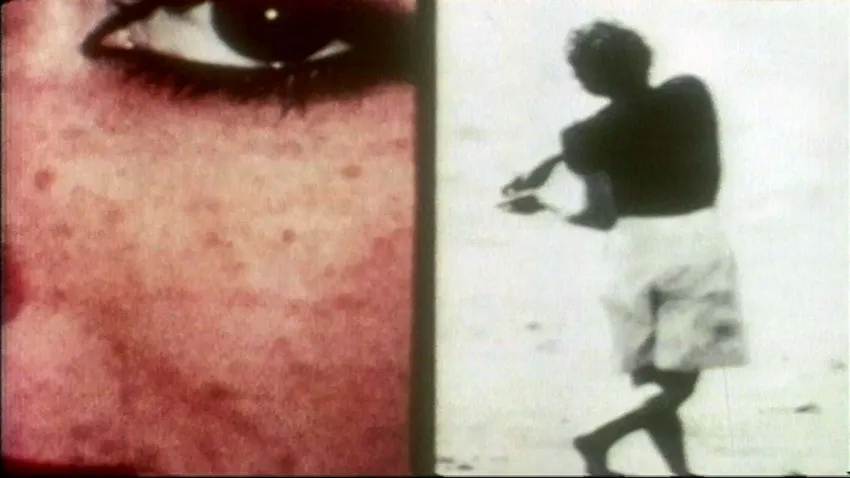
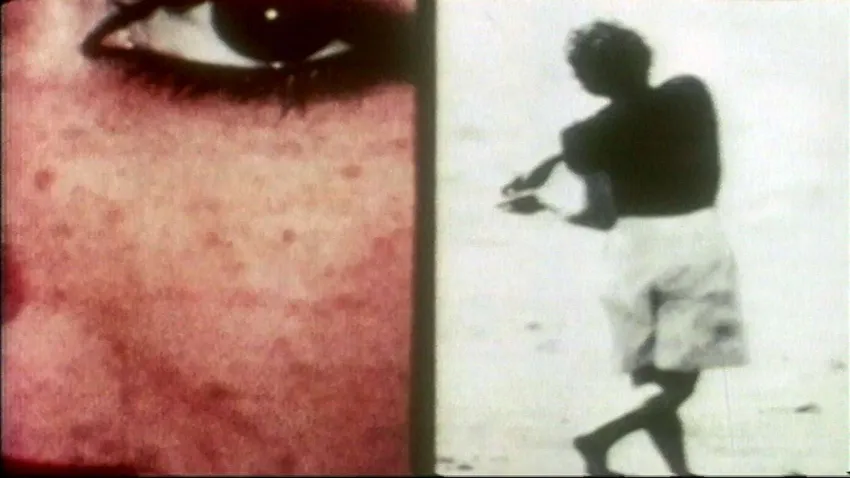
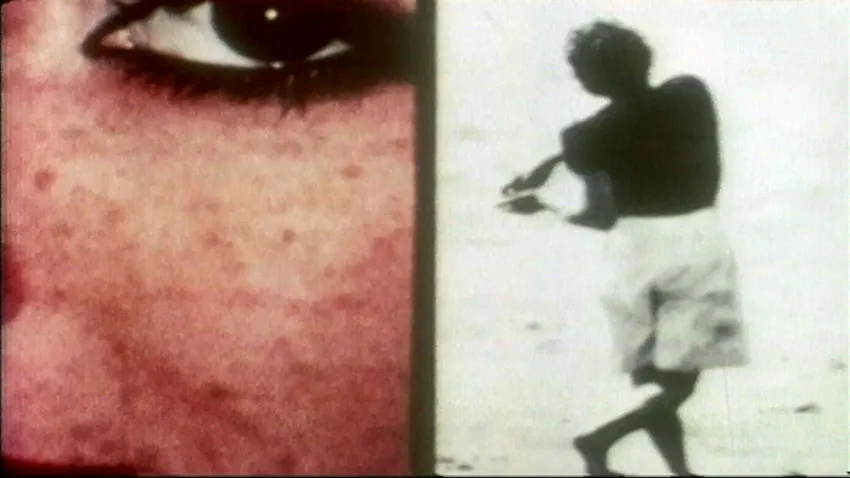
Eugènia Balcells. Session I
Eugenia Balcells
Spain
(66')
Program:
END (Spain, 1978, 15')
FIN consists of a collection of 100 endings of romantic fotonovelas that the artist Eugènia Balcells selected with the purpose of exposing the stereotypes on which this editorial genre, very popular during the 60s and 70s in Spain, is structured. Each “END”, narrated with codes typical of comics and cinema, in some way condenses the story told and in turn represents the beginning of a new story that we do not see. The artist exposes a series of story endings, in which the same projection of an emotional relationship based on the topics of romantic love is basically repeated. The work of Eugènia Balcells works as a recurring theme, criticizing the stereotyping of image and gender roles. This series of endings revolves around the dream of happiness and the concepts of couples, structured around the notions of dependency, success and future, representing the stereotypes of men and women in the narratives of fotonovelas.
Boy meets girl (1978, 9')
Boy Meets Girl, in its original format, is a 16 mm film made in 1978 that captures one of the recurring themes of Balcells' work, which is the criticism of the stereotypical models of men and women conveyed especially through the media. The image is divided vertically in half and the structure of the film follows the dynamics of a game. Women appear on the left side while men appear on the right side. In the same way as in a gambling machine the two strips stop and at that moment you can see a pair on the screen. The film is made from more than a thousand images from newspapers, magazines, advertising, etc. In this case, appropriation serves Balcells to show the archetypal portrait that the media offers of contemporary men and women.
133 (co-directed with Eugeni Bonet, 1978, 42')
Eugenia Balcells and Eugeni Bonet dismantle an LP of sound effects in 133. In an encyclopedic way they match found celluloid fragments (fiction, advertising, home cinema, documentaries, etc.) to the sounds in the same order as the record follows. In this way, from the fragments, the viewer creates different narratives due to closeness and correspondences (or inaccuracies), progressing Kulechov's investigations. A work, necessarily established by chance, in which audiovisual topics are used to show the trap of montage and its ideological manipulation.
> Presentation by Pablo Marín, curator of the Confessional cycle.
Language:
Spanish
Format:
DCP