








Date:
3 October 2026, 19:30 Saturday
Place:Madrid, Cineteca Madrid
Jacinto Esteva. Short Film Screening
Jacinto Esteva
Spain
(120')
Program:
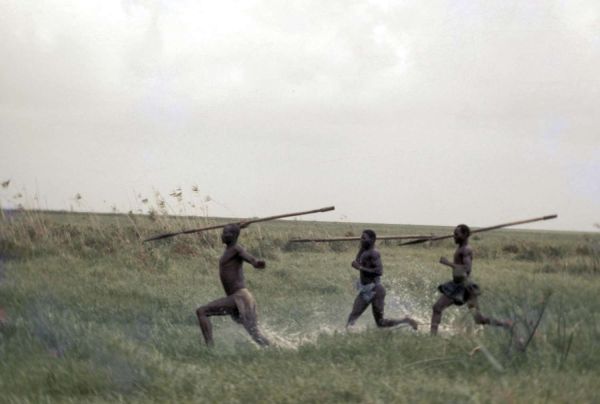
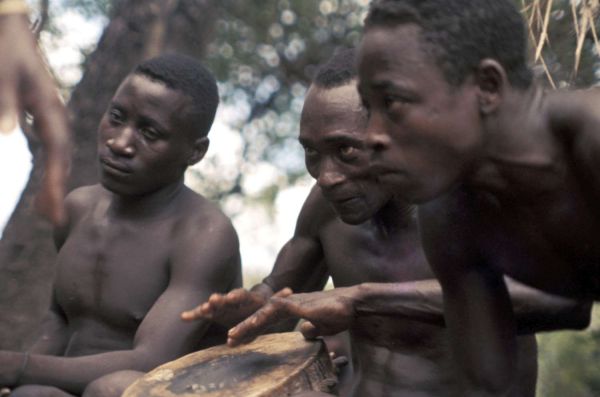
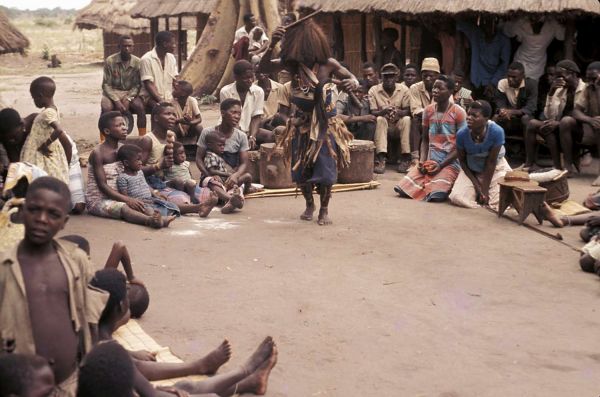
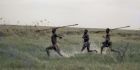
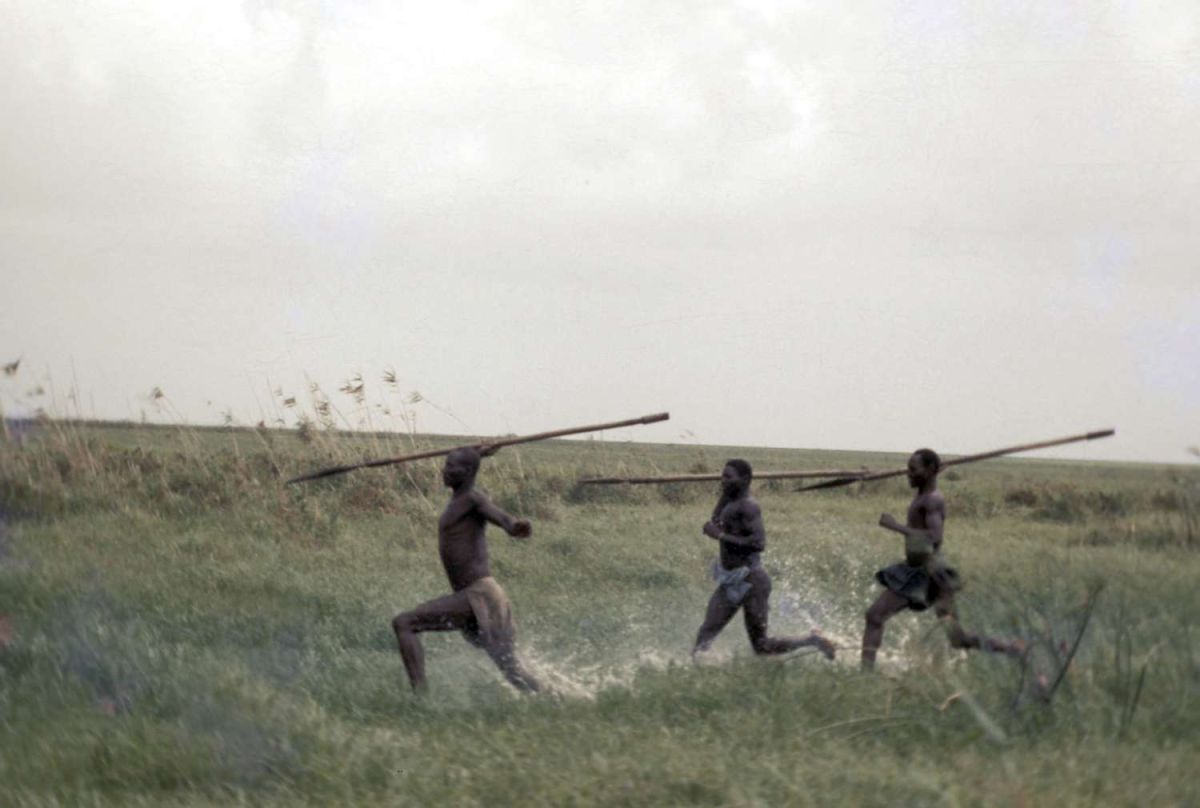
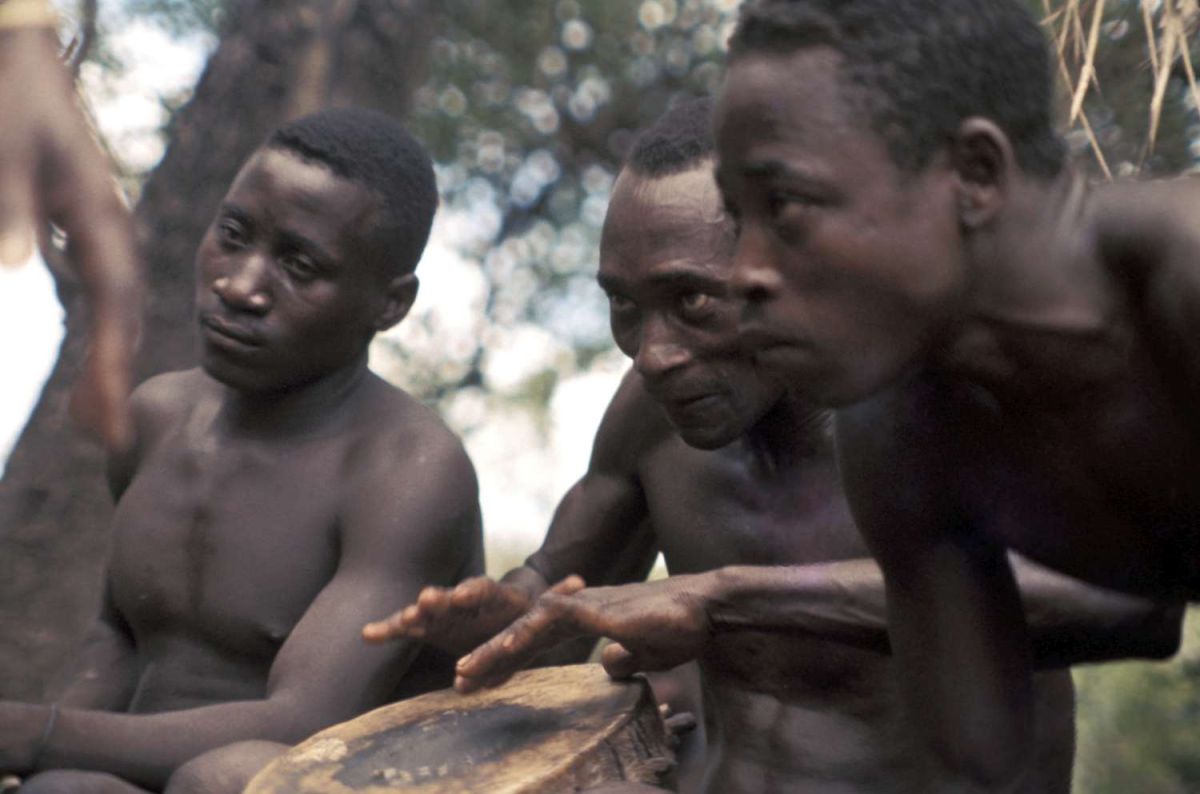
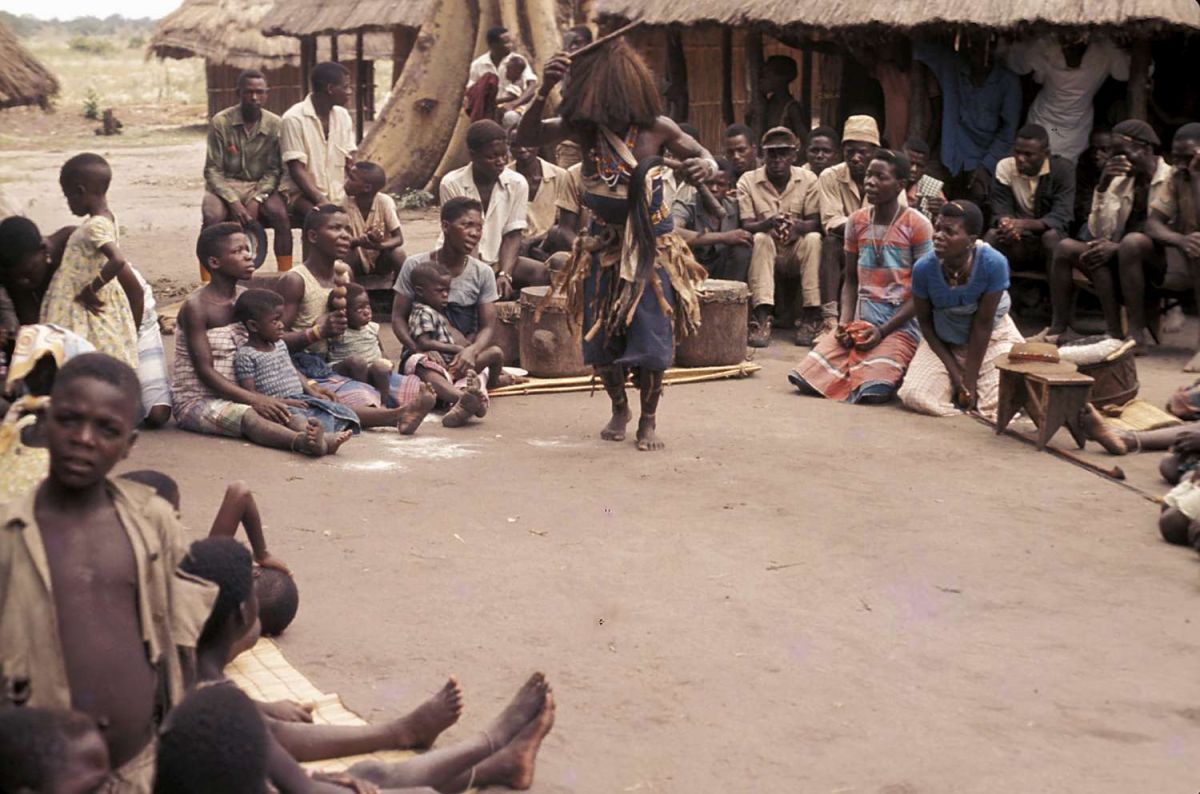
Mozambique / From Noah’s Ark to the Pirate Rhodes (1970) – Footage from Jacinto Esteva’s shoots in Africa (24')
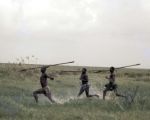
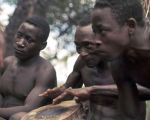
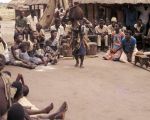
Fascinated by his first trip to Africa, Jacinto Esteva decided to stay in Mozambique. He established contact with the Mozambique Liberation Front and called upon cinematographer Manel Esteban to shoot an anti-colonialist film. The scripts and five hours of raw, silent footage have been preserved; these offer insight into the goals of this unfinished project—a radicalized take on the death rituals, religions, and animal torture he had previously filmed in *Lejos de los árboles*.
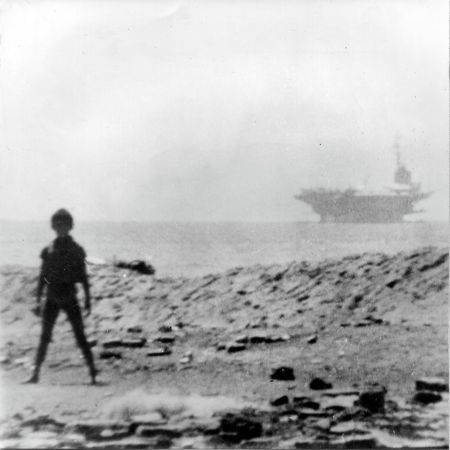
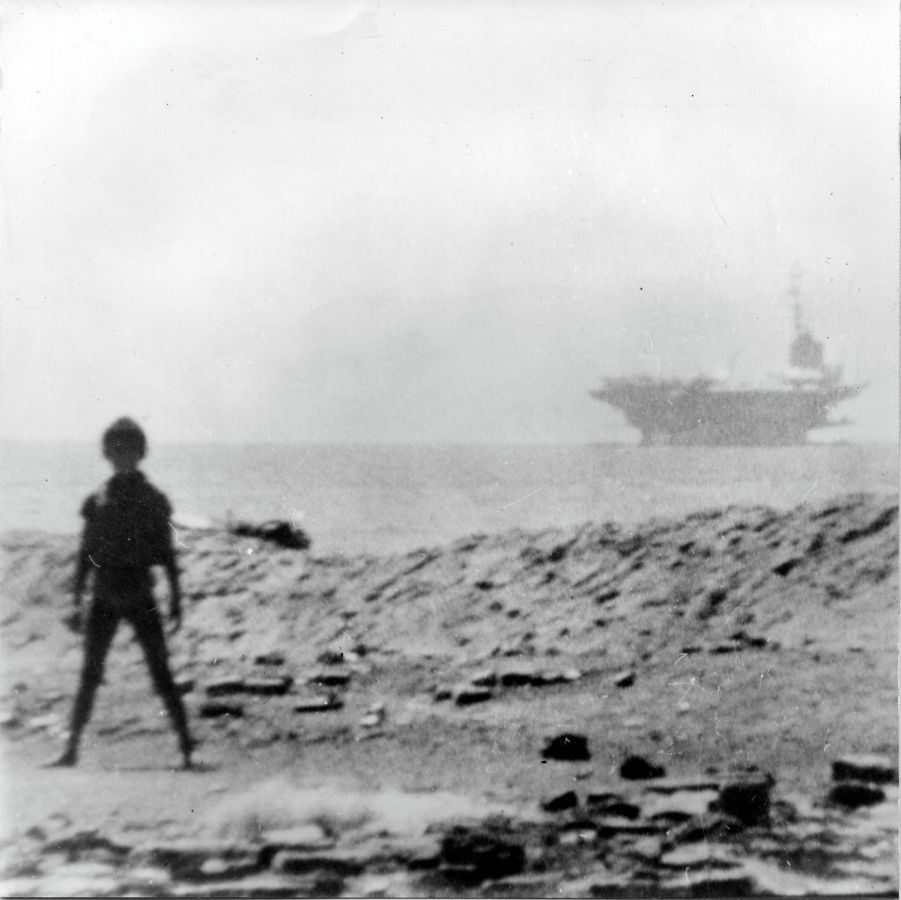
The Slave Route / The Island of Tears (1971) – Footage from Jacinto Esteva’s shoots in Africa (10')
Photographer Antonio Cores joined a trip across Africa organized by friends, and Jacinto Esteva convinced him to bring him along to film the journey. The group departed from Spain on February 17, 1971, following a route that mirrored that of Black slaves captured by Arab traders: Algeria, Niger, Chad, the Central African Republic, and the Congo. Most of the footage shot has been lost.
> Presentation of the book *El elefante invertebrado* by Daria Esteva—chronicling her father’s African adventures and published by Àfriques Edicions—featuring Luis E. Parés (Artistic Director of Cineteca Madrid) and Luís Estêvão (Administrator of Únicamente Severo Films). (Approx. 45')
Notes sur l’émigration. Espagne 1960 (co-directed with Paolo Brunatto, 1961, 19')
While architecture students, Esteva and Brunatto decided to conduct a film-based investigation into the housing issues faced by Spanish workers in Switzerland and the reasons driving them to emigrate during the late 1950s and early 1960s. The film becomes a reflection—at once biting and melancholic—on the land they left behind. It is a work that traverses cultures and cinematic modes; a starting point, an initial statement, and a call to action.
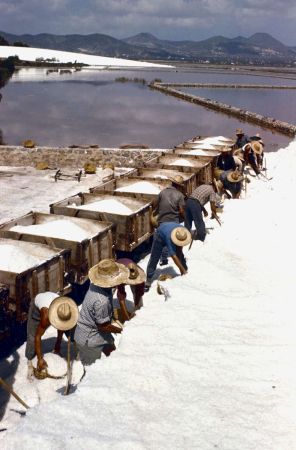
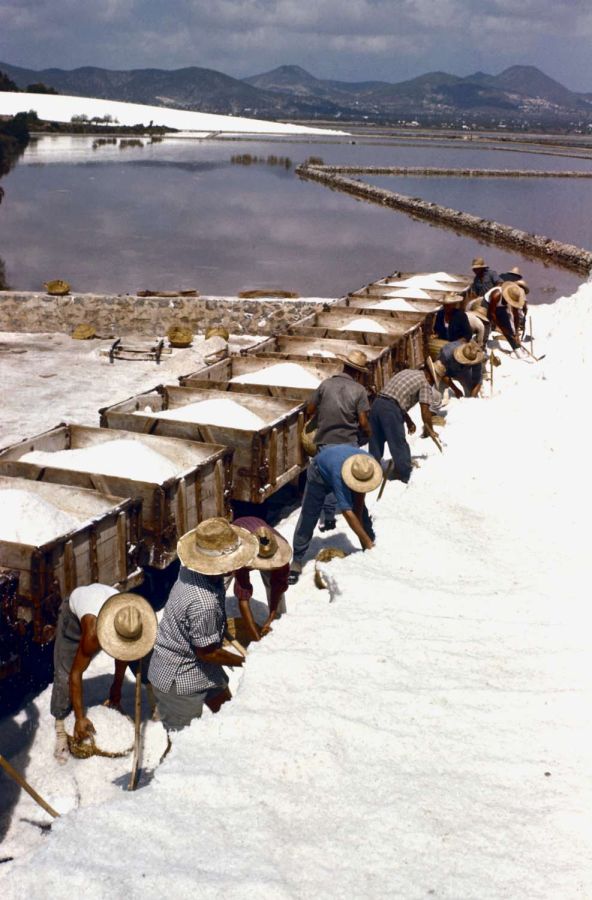
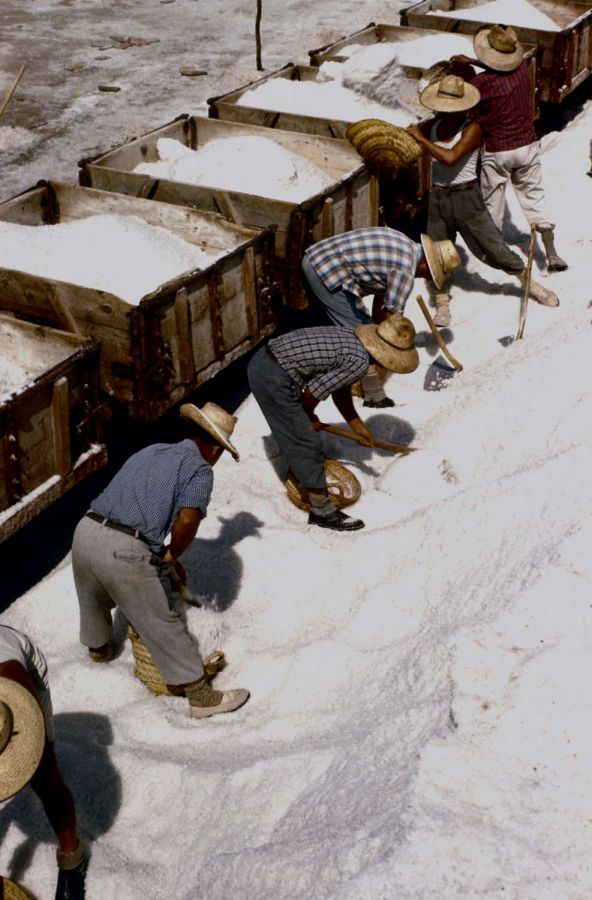
Alrededor de las salinas (1962, 22')
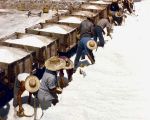
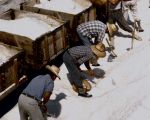
Set against the backdrop of Ibiza’s famous salt flats, the film begins as what might appear to be a simplified ethnographic description—or even a dull tourism-promotion documentary—but the director ultimately shatters the conventional parameters of the setting. The camera intervenes to distort and construct a new reality, modifying and even revolutionizing it. The film was presented at the 1963 Cannes Film Festival as a companion piece to Luis Buñuel’s *The Exterminating Angel* and was selected for the UNESCO "1001 Documentaries" collection (part of the Memory of the World Register), representing a century of auteur documentary filmmaking.
Language:
Silent / French with Spanish subtitles
Format:
DCP