



Date:
2 November 2026, 20:00 Monday
Requiem, W. A. Mozart | Great Selection
Images
Information
Description
We often forget that, before becoming marble busts atop conservatory pianos, composers were human beings. It was from this very human perspective that they penned even their most intricate musical creations—even though some have entered the canon as colossal edifices in which one can easily lose one’s way. Lionel Meunier and Vox Luminis embrace this humanistic, humanizing approach to musical performance. What tradition rendered severe and monumental is here unburdened of its weight, revealing itself to us in a new light.
Haydn and Mozart—friends and fellow residents of Vienna—composed two of the repertoire’s most magnificent and imposing masses, yet also two poignant accounts of human frailty. Transcending Baroque models and the confines of Catholic liturgy, the D minor tonality of both works makes room for the listener’s own emotions, anguish, and fears in the face of the inevitable—resonating just as powerfully today as they did at their respective premieres. The luminous, transparent, deeply expressive, and meticulous approach taken by Meunier and his collaborators amplifies the emotional impact of both scores. Monuments on a human scale.
Joseph Haydn, Mass in D minor “Missa in Angustiis,” Hob. XXII:11
Wolfgang Amadeus Mozart, Requiem Mass in D minor, K. 626
Musical Director: Lionel Meunier
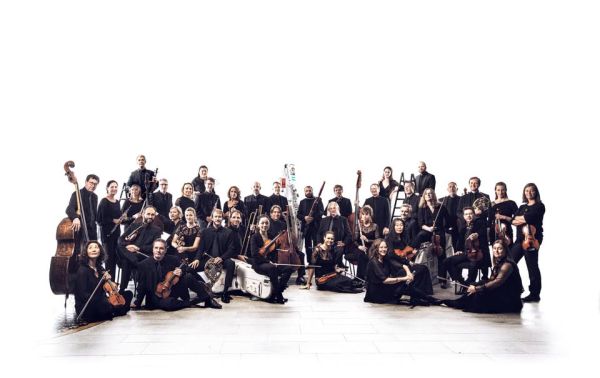
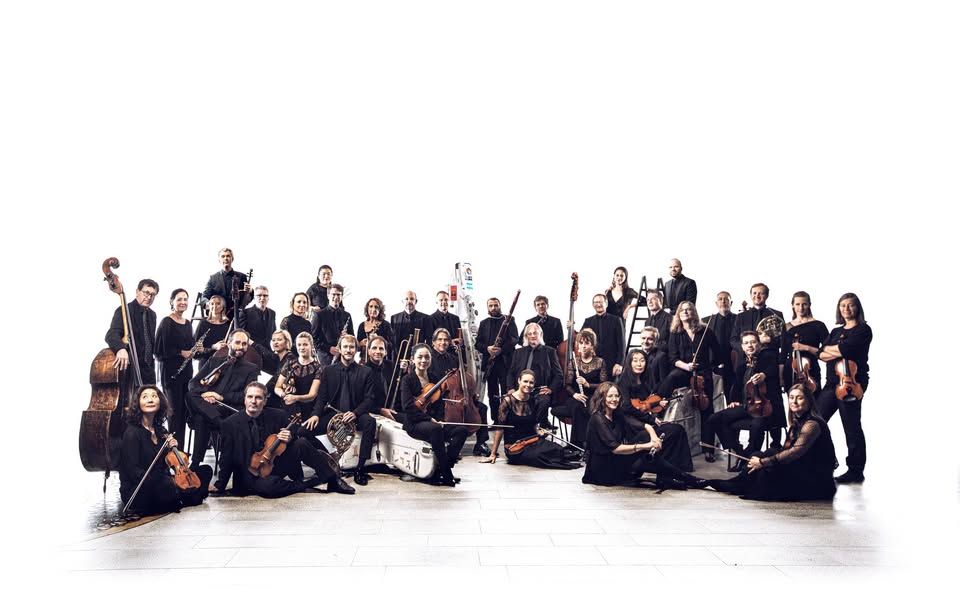
Camerata Salzburg
Vox Luminis
Soprano: Gwendoline Blondeel
Mezzo-soprano: Marie Henriette Reinhold
Tenor: Raffaele Giordani
Bass: Sebastian Myrus