


Date:
26 May 2026, 20:00 Tuesday
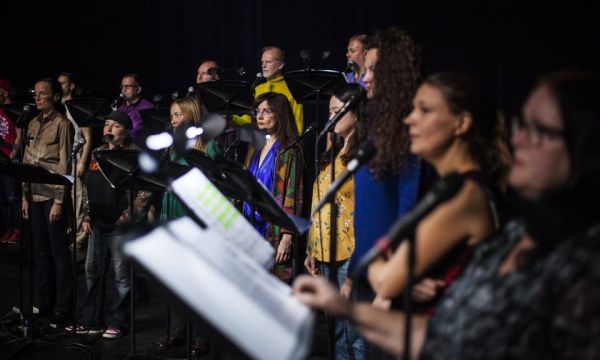
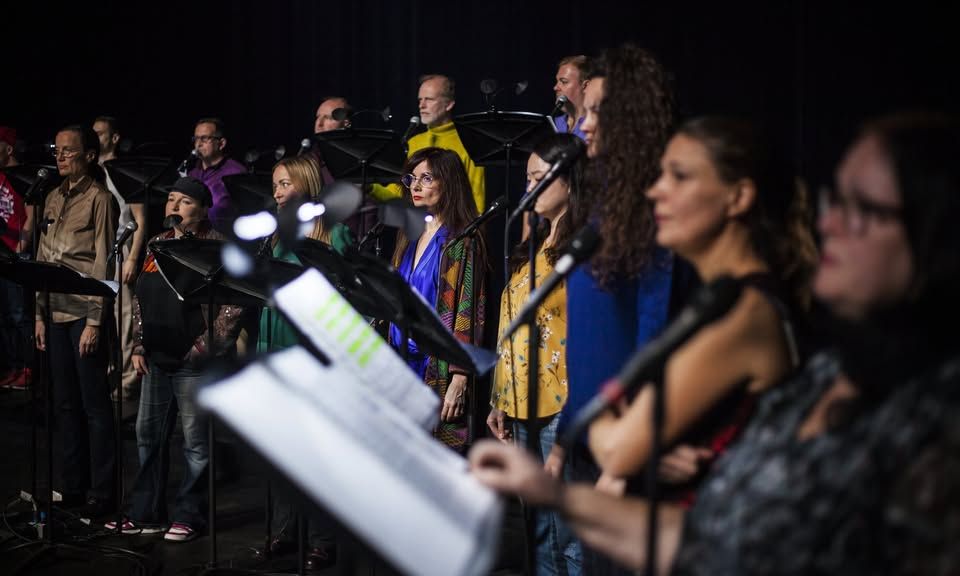
Einstein on the Beach, P. Glass | Semi-staged concert opera
Images
Information
Description
Back in 1975, the American composer Philip Glass was driving a taxi to make ends meet. He had also worked as a plumber and even briefly run a moving company with his colleague Steve Reich. Glass—as Alex Ross so aptly recounts in *The Rest Is Noise*—wasn't interested in the intense aesthetic debates of the European avant-garde, much less in the music that emerged from those debates. Until Reich introduced him to minimalism, his taste leaned toward Eastern music.
The minimalists' approach was consistent, but not academic. It clashed, however, with what has characterized Western music for centuries: grand form, grand lines, grand gestures. *Einstein on the Beach*, created in the mid-seventies with stage director Robert Wilson, dismantles everything that underpins the traditional operatic concept. No libretto, no plot, no dramatic continuity, no defined characters. Only found objects, distant musical echoes, seemingly unconnected scenes. Glass and Wilson had created a new, contemporary, strangely attractive and evocative kind of theater.
Einstein on the Beach (to understand the title, you'll have to come and see it) arrives for the first time at the Teatro de la Maestranza with the added luxury of singer, composer, and writer Suzanne Vega as narrator of this show which, half a century after its premiere, continues to fascinate audiences with its novelty, its rare lyricism, and its extraordinary beauty.